**问题:** 如何在Python中生成可重复的伪随机高斯分布数字(给定均值和标准差)? **用户需求:** 每次运行模拟时,希望生成的随机数序列保持一致,以便排除随机性对结果的影响,专注于评估布局改进的效果。 **解决方案:** 1. **设置随机种子** 使用 `random.seed()` 或 `numpy.random.seed()` 固定随机数生成器的初始状态,确保每次运行生成相同的序列。 **示例代码:** ```python import random random.seed(42) # 固定种子 mean, std = 0, 1 values = [random.gauss(mean, std) for _ in range(10)] ``` 2. **使用NumPy增强控制** NumPy的随机模块提供更稳定的伪随机生成器,支持高斯分布且易于设置种子。 **示例代码:** ```python import numpy as np np.random.seed(42) # 固定种子 mean, std = 0, 1 values = np.random.normal(mean, std, size=10) ``` 3. **创建独立随机状态对象** 为避免全局种子被其他代码干扰,可创建独立的随机生成器实例。 **示例代码:** ```python import numpy as np rng = np.random.RandomState(seed=42) # 独立生成器 values = rng.normal(mean, std, size=10) ``` 4. **进阶:使用PCG64等现代算法** 如需更高质量的伪随机序列,可指定算法(如NumPy的`Generator`配合PCG64)。 **示例代码:** ```python from numpy.random import Generator, PCG64 rng = Generator(PCG64(seed=42)) values = rng.normal(mean, std, size=10) ``` **注意事项:** - 确保所有随机数生成操作前已设置种子。 - 避免在生成序列过程中调用其他随机函数,以免影响序列一致性。 - 若需保存数据备用,可导出为CSV或NPY格式,但固定种子后无需额外存储。 **总结:** 通过设置随机种子,可便捷实现可重复的伪随机高斯数生成,无需依赖外部文件存储,既简化流程又确保模拟结果的可比性。

Hi all,

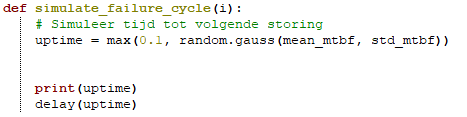
I would like to generate random numbers based on gaussian distribution (mean + standard deviation) with python:

I noticed however that random.gauss is not pseudo random.
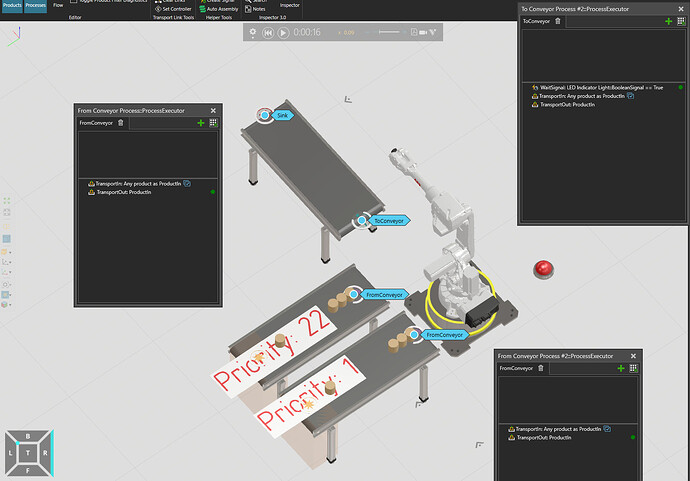
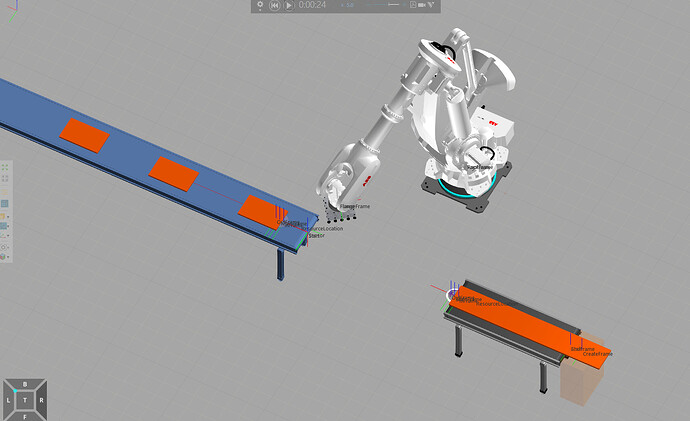
But I would like to keep these values constant every time I run the simulation to be able to see the effect of improvements on the lay-out (ruling out potential effects from the change of values)

I could generate them once, save them to excel, and read them every next simulation run but that seems like a bit of an overkill.
Does anyone know another way of doing this?

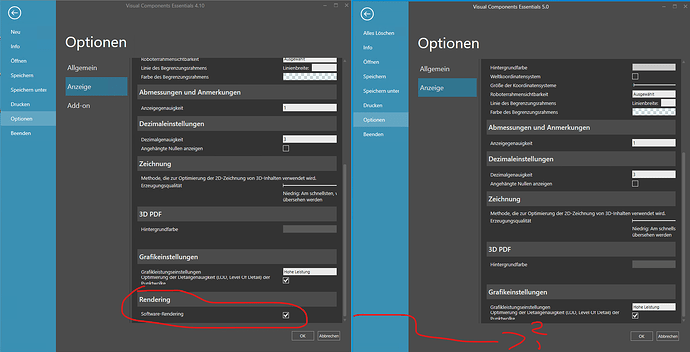
You are supposed to use distribution properties, but unfortunately their underlying random stream reset behavior is also bit unpredictable, and anything “pulling” a new value from the property will advance the stream.

Hi Tsy,

感谢您的回复!所以您的意思是,如果不把值保存在某个地方并重新调用它们,就无法实现这个功能?

其实您可以使用Python的random模块,只需要定义种子并确保调用次数相同等等。

1 个赞

啊,这太棒了,我成功让它运行起来了,谢谢!